Too often, a single low T3 measurement on bloodwork leads to lifelong hormonal therapy. This treatment rarely works and usually leads to side effects like agitation, anxiety, sleep disruption, thinning bones, palpitations and more. What most doctors don’t understand is that a low T3 result doesn’t mean your thyroid is failing. A physician walks through the five most overlooked reasons your T3 can appear low — from common medications like prednisone, amiodarone, and propranolol, to GI inflammation blocking the T4-to-T3 conversion, to lab testing errors that affect the majority of standard blood draws. You’ll also learn why the time of day you get your blood drawn matters, how hormone replacement therapy skews thyroid markers, and the one supplement mistake that artificially inflates your T3 and crashes your TSH right before labs.
- All
- Diet & Nutrition
- Fasting
- Functional Medicine
- Interviews & Podcasts
- Lectures
- SIBO & IBS
- Sleep Health
- Stories of Health & Healing
- Supplements
- Toxins & Mold
Still Sick After Mold Remediation? What Helped My Patient
Still sick after mold remediation? Robin went from mold exposure to 90% better in a year with probiotics, binders, and limbic retraining. Despite what some ...
Silent Reflux Treatment Without PPIs – 80% Better in Weeks
Silent reflux, gastritis, and ulcers lasted two years despite endoscopy and stool tests; here is the treatment that got this patient 80% better in weeks. ...
Are Testosterone Pellets Safe?
Dr. Joe Mather shows how testosterone pellet therapy from hormone clinics lack scientific evidence.
Mold Toxicity: How 3 Doctors Diagnose, Test, and Treat It
Three doctors compare how they diagnose, test, and treat mold toxicity. They cover the clinical use of antibody testing to sinus treatment to a probiotic ...

How Dr Neil Nathan Treats Toxicity, Mold and Lyme
Dr Neil Nathan on why mold is usually treated before lyme, which environmental toxins matter most, and how to detox.
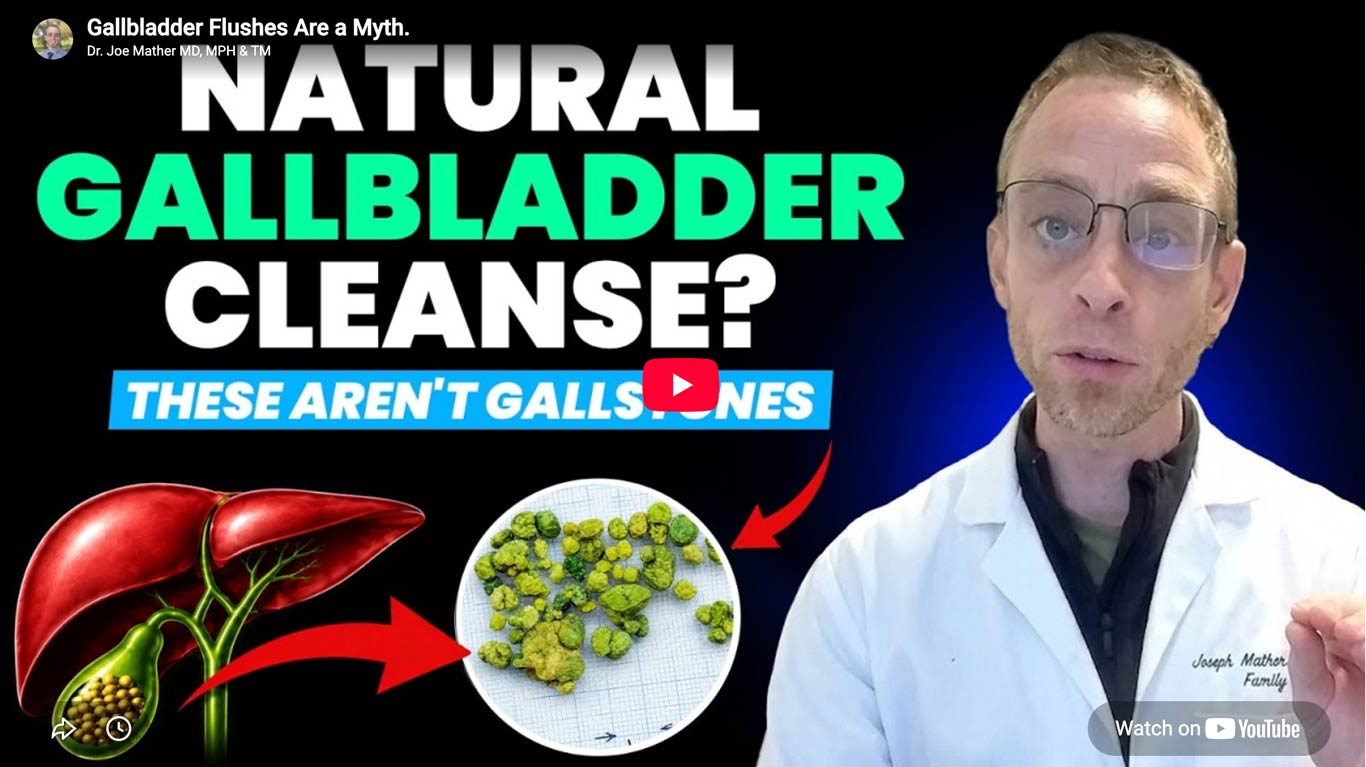
Gallbladder Flushes Are a Myth
The green stones people pass during a gallbladder cleanse are not gallstones.